Isabela: The Largest and Most Volcanic Island in the Galápagos
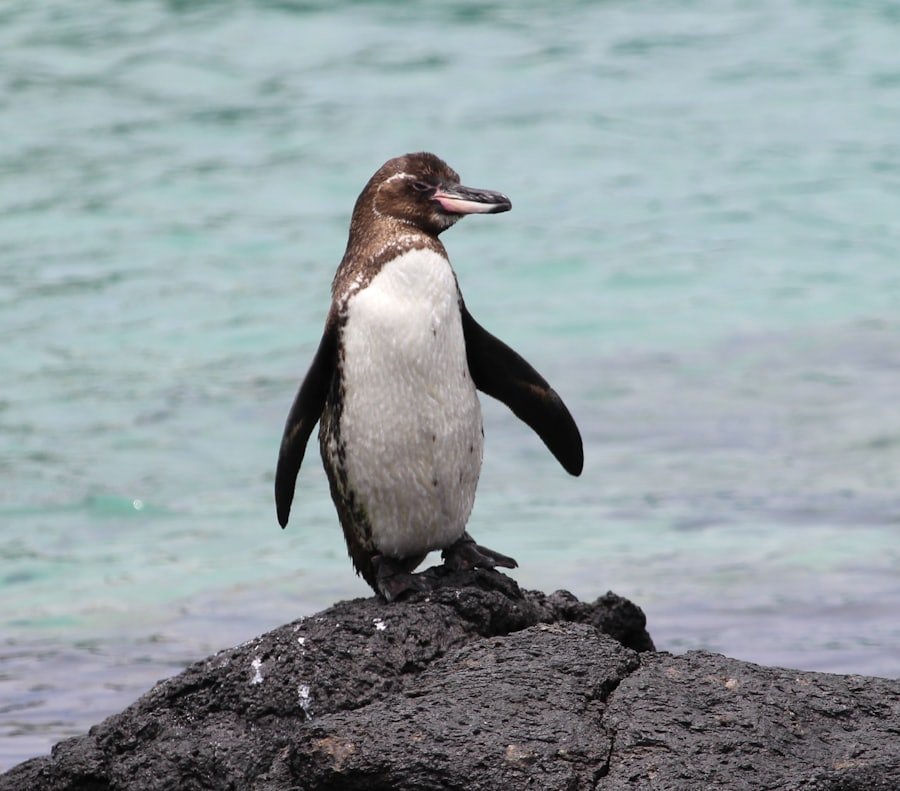
Isabela is the largest island in the Galápagos archipelago, formed by the merging of six shield volcanoes, five of which are still active. Shaped like a seahorse, this island represents more than half of the total land area of the Galápagos. Puerto Villamil, its small coastal town, maintains a relaxed and authentic atmosphere that contrasts with the more developed tourism of Santa Cruz. Here nature rules: flamingos in the lagoons, penguins on the rocks and giant tortoises in the highlands.
🌋 Sierra Negra Volcano
Sierra Negra has the second largest volcanic caldera in the world (10 km in diameter), surpassed only by Ngorongoro in Tanzania. The hike to the crater rim takes about 2 hours and rewards with breathtaking views of recent lava fields (the last eruption was in 2018), active fumaroles and, on clear days, panoramic views of neighboring islands. An additional trail leads to Volcán Chico, where you literally walk over lava flows and volcanic vents.
🐧 Los Túneles (Cabo Rosa)
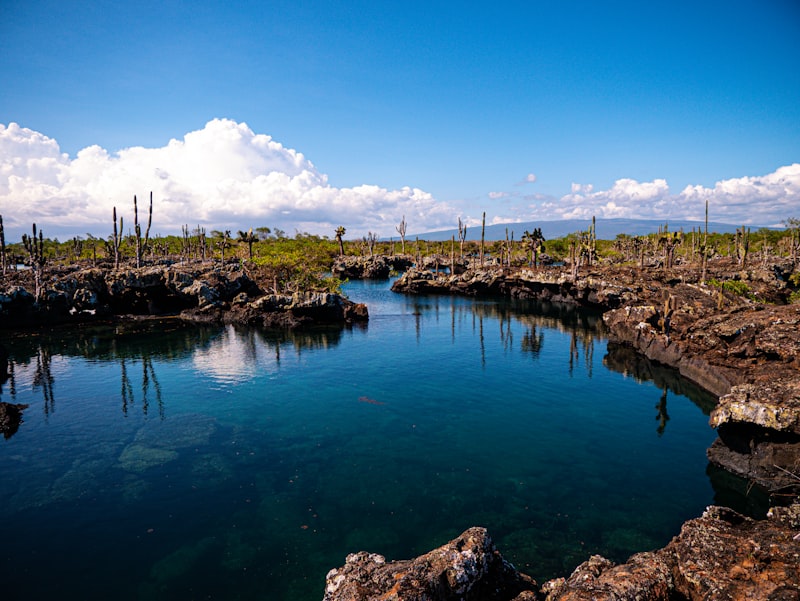
Los Túneles is one of the most impressive experiences in all of the Galápagos. This formation of lava arches and bridges over crystal-clear waters creates an almost surreal landscape. Here you can snorkel among seahorses, sea turtles, rays, white-tip reef sharks and tropical fish. On the rocks above, blue-footed boobies, marine iguanas and Galápagos penguins rest. It's probably the best snorkeling site in the archipelago.
🦩 Wetlands & Wall of Tears
Isabela's wetlands form an ecosystem of mangroves, lagoons and elevated walkways where you can observe pink flamingos, marine iguanas and various waterbirds. The trail continues to the Wall of Tears, a structure built by prisoners from a penal colony that operated on the island between 1946 and 1959. The history is moving: prisoners were forced to build a volcanic stone wall with no apparent purpose, as punishment. Today it's a memorial and a viewpoint with spectacular views.
🐢 Arnaldo Tupiza Breeding Center
This giant tortoise breeding center houses individuals from five different subspecies, corresponding to Isabela's five volcanoes. You can see tortoises from newborns to century-old adults and learn about the conservation programs that have saved these species from the brink of extinction. It's a free visit that can be done on foot from Puerto Villamil.
📍 Practical Info
- Access: Speed boat from Santa Cruz (~2.5 hrs, $30) or inter-island flight with Emetebe (~30 min). No direct flights from the mainland.
- Population: ~2,500 in Puerto Villamil. It's the quietest and least touristy of the three main islands.
- Entry fee: An additional $10 is charged upon landing in Isabela (in addition to the National Park entry fee).
- Recommendation: Stay at least 3 nights. Los Túneles and Sierra Negra are full-day excursions and need separate days.
🗺️ What to Do in Isabela
📅 Best Time to Visit
January to May the waters are warmer and clearer, ideal for Los Túneles and snorkeling. June to September is penguin and humpback whale season around Isabela's coasts. Sierra Negra can be visited year-round, but the dry months (June-November) offer better visibility from the caldera.
Ready to explore Isabela?
Our concierge team will organize your Isabela adventure: volcanoes, lava tunnels, penguins and the most tranquil beaches in the Galápagos.
Contact Us & Book